Choosing the Right Variety Planting for a Successful Harvest
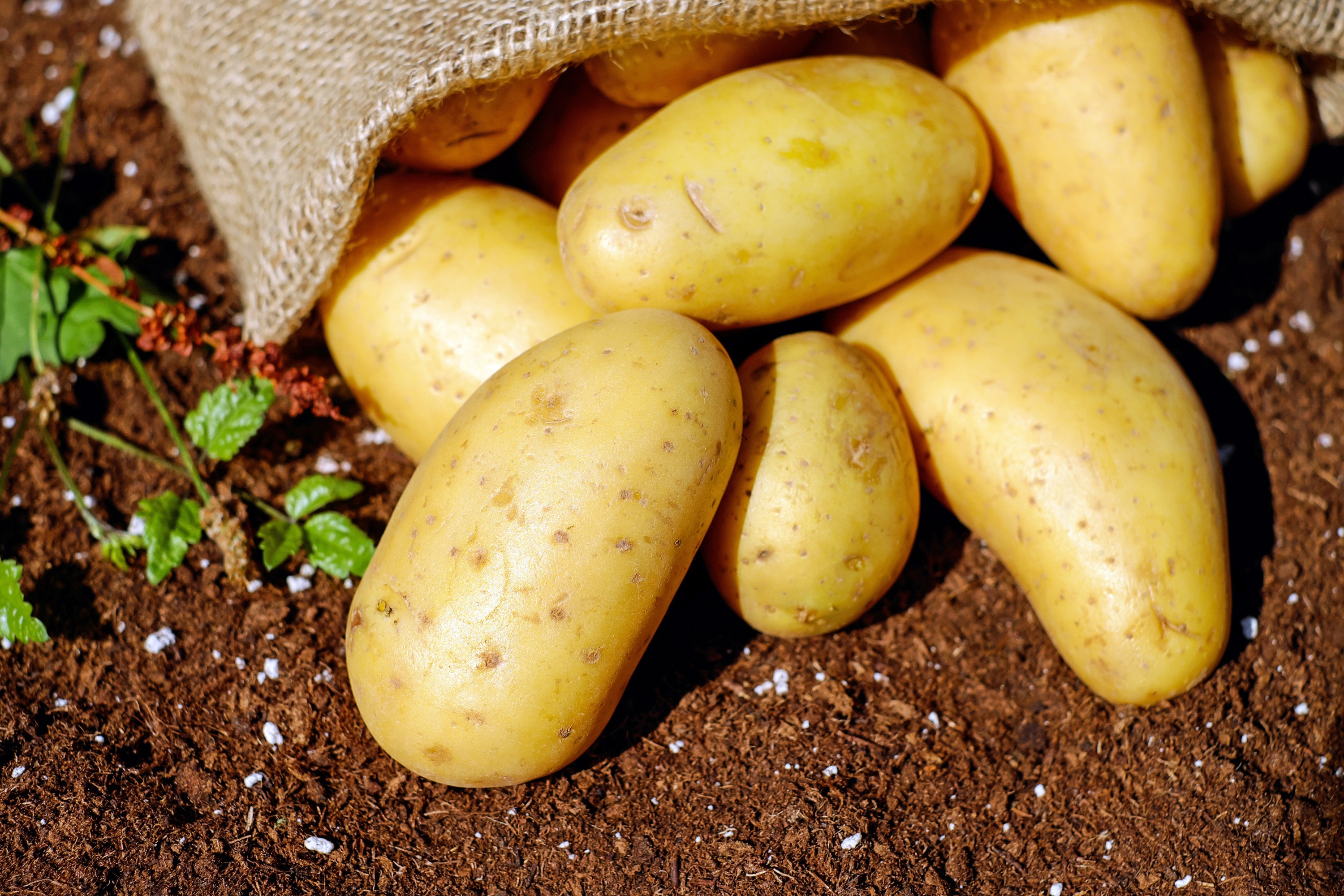
Whether you prefer new potatoes covered in melted butter and chopped herbs or delicious, crunchy, roast potatoes – we have the seed potato for you. If you grow your own potatoes not only will you have fresh, delicious potatoes to eat, but bragging rights at your next BBQ or dinner party that they are out of your garden.
Choosing Your Potato
With dozens of different potatoes to choose from, the first step is understanding the difference. Once you know what your ideal qualities are in a potato, it makes narrowing down the choices much easier.
Waxy potatoes are high in water content and low in starch. They have a dense texture and hold their shape well. Perfect for boiling and chopping into salads or casseroles.
Floury potatoes are low in water and high in starch. Fluffy and delicate, they tend to crumble and break easily when cooked. These will give you dreamy mash and the best roasties. Perfect for chips and wedges.
All-Purpose are in-between on the texture spectrum, suitable for most cooking methods. A great choice for growers with limited space who still want to do it all!
‘Early’ and ‘Main’ crops refer to how long the potatoes take to reach maturity. Knowing the length of time and the end use for the potato (ie. salad or roasted) will help you plan your crop, particularly if you are supplying a special event or day.
First Early Potatoes are small, new potatoes that can be harvested approximately 10 weeks from planting and are ideal for growing in containers or bags. These tend to be lower yielding and don’t keep well for long-term storage.
Second Early/Main Potatoes are similar to First Early but take approximately 13 weeks to harvest.
Main Crop potatoes produce larger potatoes that are most commonly ideal for baking or roasting. These are ready to harvest in approximately 20 weeks from planting and can be grown in containers, but do better in the ground with more room to spread. Main/late crop potatoes are very good for storage.
Our seed potatoes normally arrive in store around June-July and are no longer stocked after November. Below are the main varieties we most commonly have available. Supply may vary each year according to what is produced by our suppliers.
Early Crop Varieties
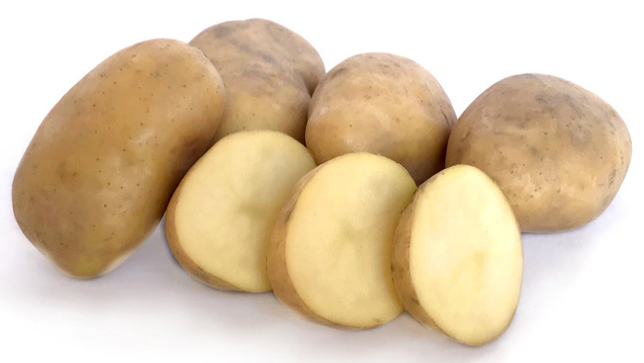
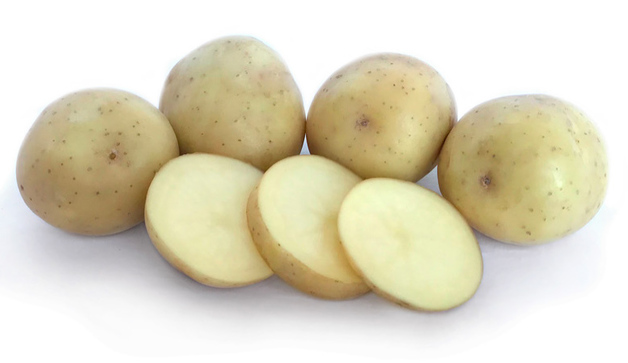
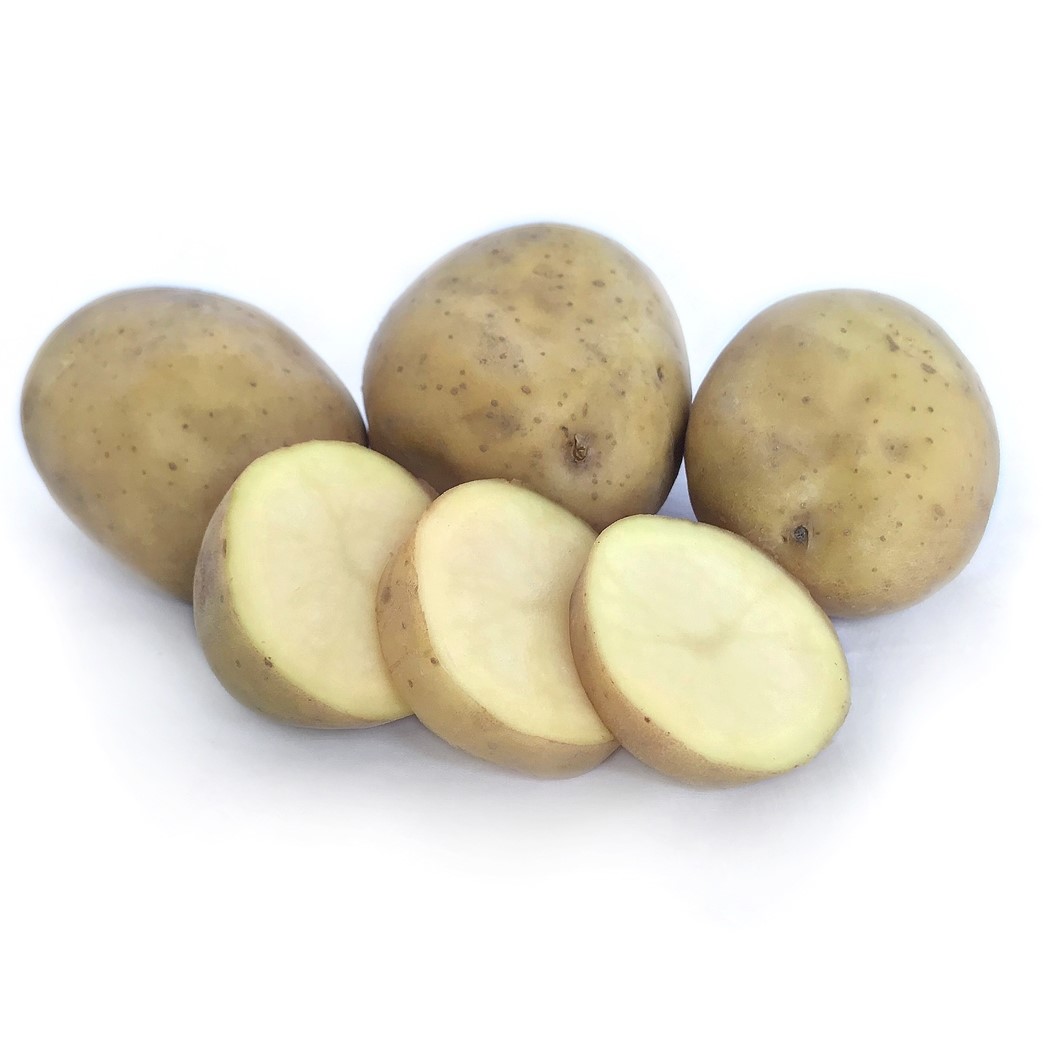
Jersey Bennes: oval-kidney shaped potato with white skin and white flesh. An excellent, waxy potato for mashing or boiling, soups, casseroles and salads.
Cliff Kidney: A well flavoured, waxy potato with white skin and flesh. Good for boiling, salads, casseroles & soups.
Rocket: White, oval potato and waxy flesh. Great all-rounder for boiling and roasting.
Ilam Hardy: White skin and floury flesh. Well flavoured and all-purpose. Best for mashing & baking.
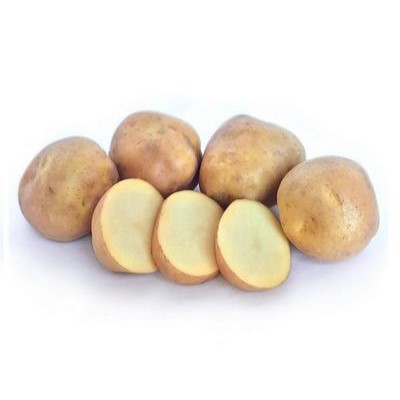
Liseta: Firm cooking, all-purpose waxy potato, ideal for boiling, salads, casseroles, soups and roasting. High yielder.
Second Early/Main Crop
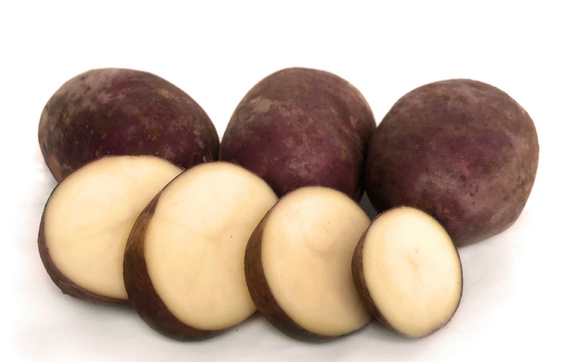
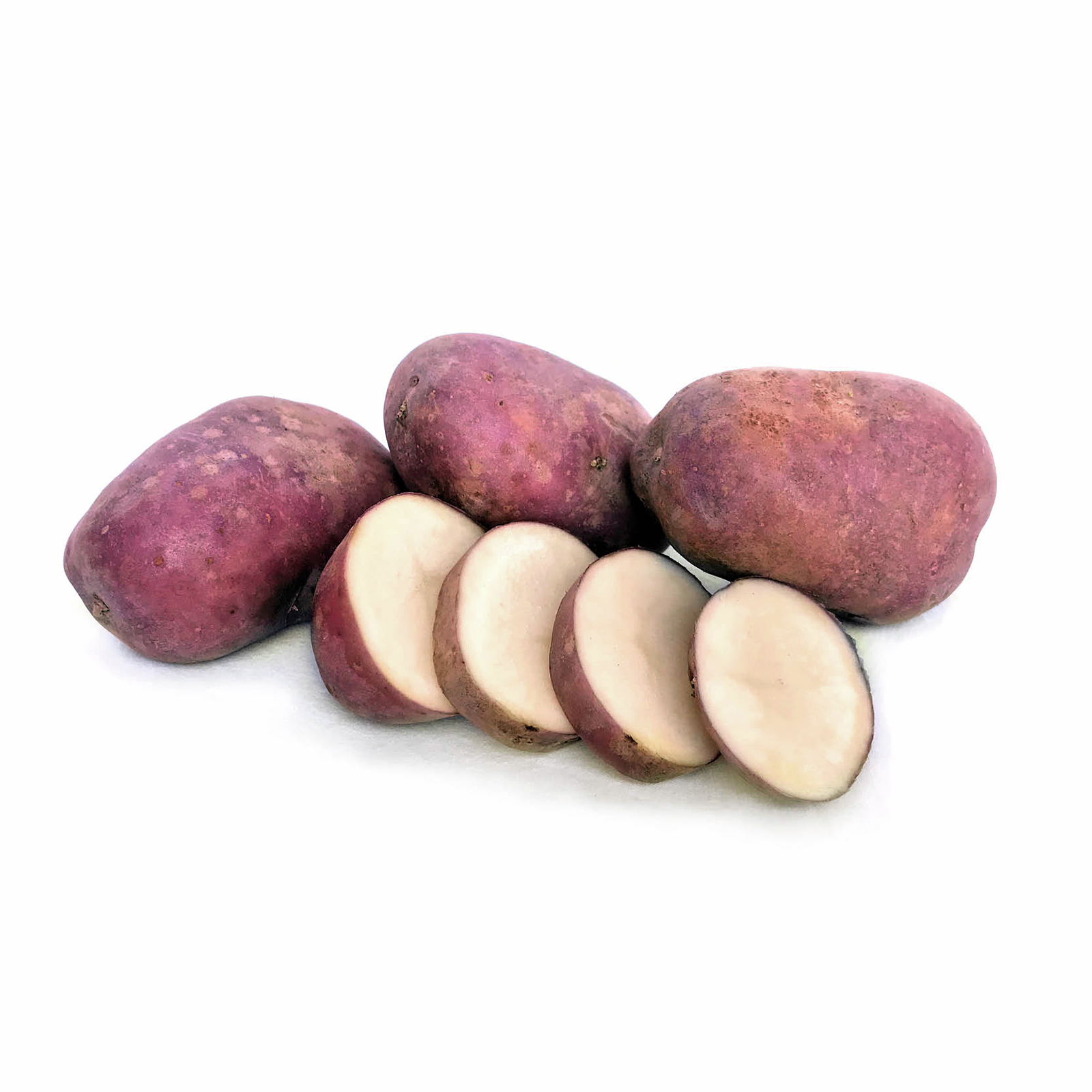
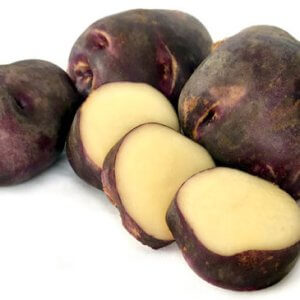
Purple Heart: Smooth, deep purple potato with purple-toned flesh. A great all-purpose potato for or salads, boiling and microwaving. High in antioxidants!
Purple Passion: Features unusual purple skin with a cream flesh. A good all-purpose potato, beautiful in salads, roasts, or as chips.
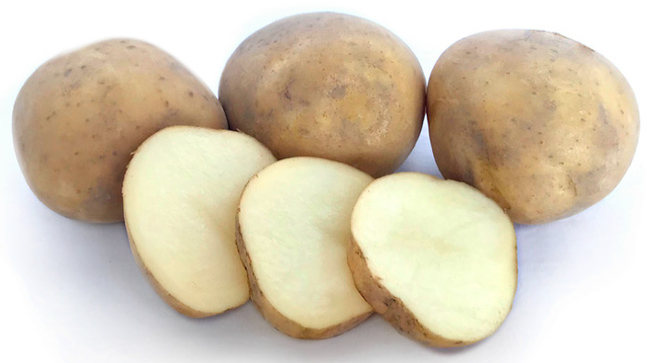
Swift: Round potato with white skin and waxy, cream flesh. High yielding variety. Ideal for boiling, salads, casseroles & soups.
Nadine: Round, white, waxy textured potato. Use for boiling, salads, casseroles & soups.
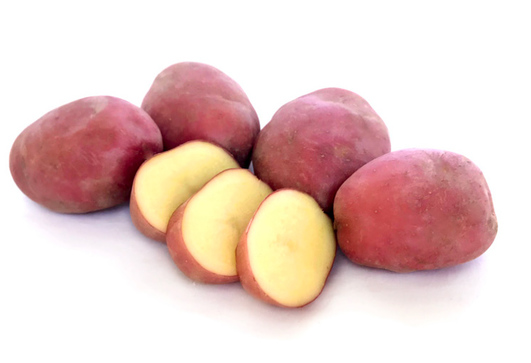
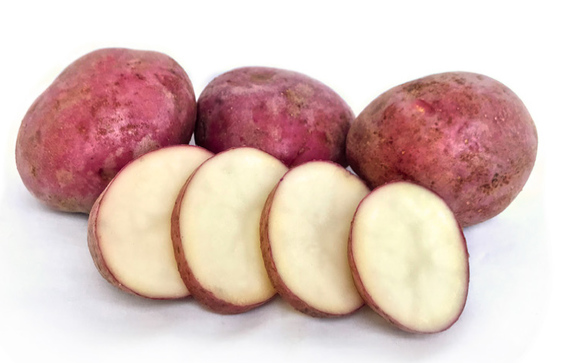
Heather: Oval-shaped with distinctive, purple-red skin. White, waxy flesh with excellent flavour. A brilliant all-purpose for boiling, salads, casseroles, mashing & roasting.
Karaka: White, oval-shaped and with great flavour. All-purpose cooking potato perfect for mashing, roasting, and chips.
Main Crop
Desiree: Pink-skinned potato with cream flesh. Good all-rounder for general cooking, including microwaving.
Red Rascal: Ovular with red skin and white flesh. A floury potato which is good for all-purpose cooking.
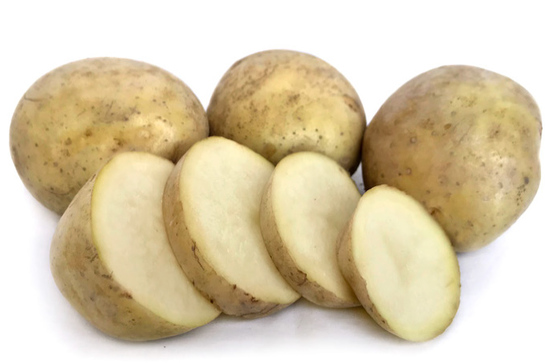
Rua: White skin and flesh. Good all rounder for roasting and boiling. High yielder and a good keeper.
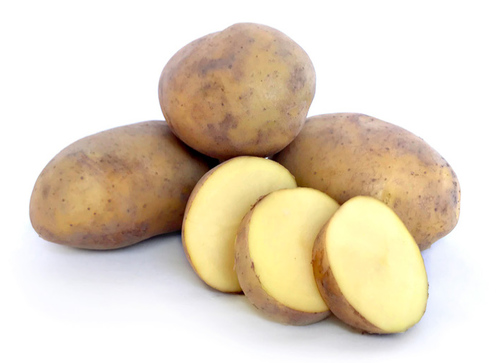
Agria: One of our favourites – long, oval-shaped and with yellow flesh. High yielding, floury potato suitable for boiling, mashing, baking, wedges & chips.
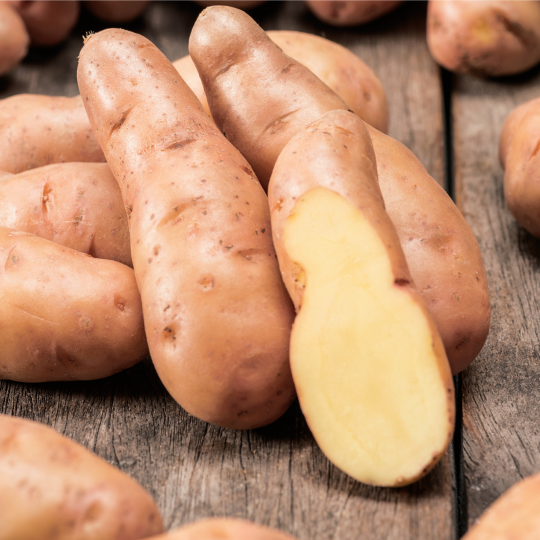
Pink Fir Apple: A very long potato with a pink blush. The firm, yellow flesh has a delicious nutty flavour. Ideal for boiling, roasting in jackets & salads.
Moonlight: High yielding, round, white potato. Good all-purpose which cooks well as a boiling potato and for chipping.
Maori Potatoes
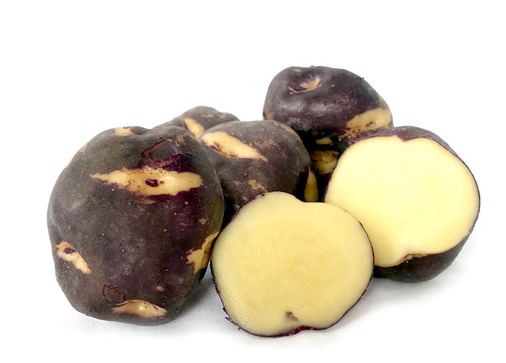
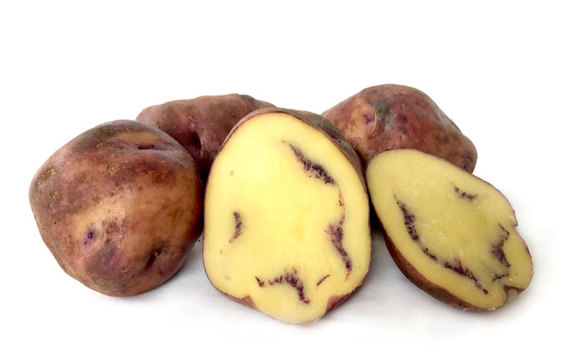
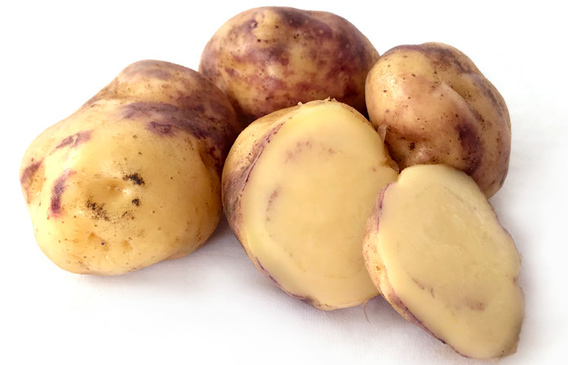
Taewa (potatoes) were brought from South America to NZ in the late 18th century by Europeans. Maori cultivated the Taewa and gave them Maori names. They vary in size and colour but tend to have a purple/blackish skin with yellow or white flesh. Taewa take approximately 17 weeks to harvest, from planting.
Karuparera: Round, dark purple-skinned potato with cream flesh and a waxy texture. Ideal for salads and boiling.
Moemoe: A round-oval shaped potato with a light purple/cream skin and cream flesh. Ideal for boiling and baking.
Huakaroro: Round, oval with a cream skin, and cream flesh. Is a waxy potato, great for boiling with a ‘buttery’ taste. A good keeper.
Waiporoporo: Mottled purple skin with white flesh. Wonderfully flavoured potato with a waxy, slightly floury texture. Great all-purpose for boiling, roasting & salads.
Preparing & Planting
Sprouting
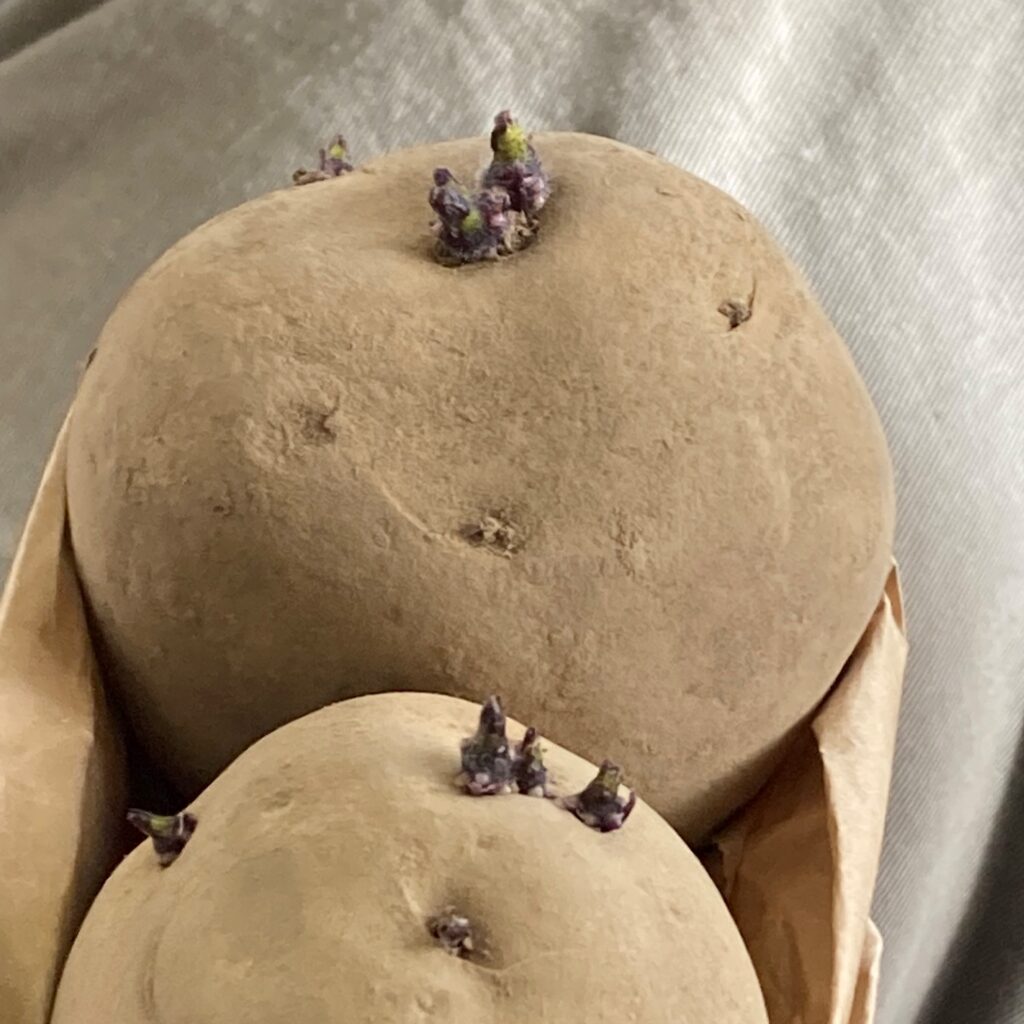
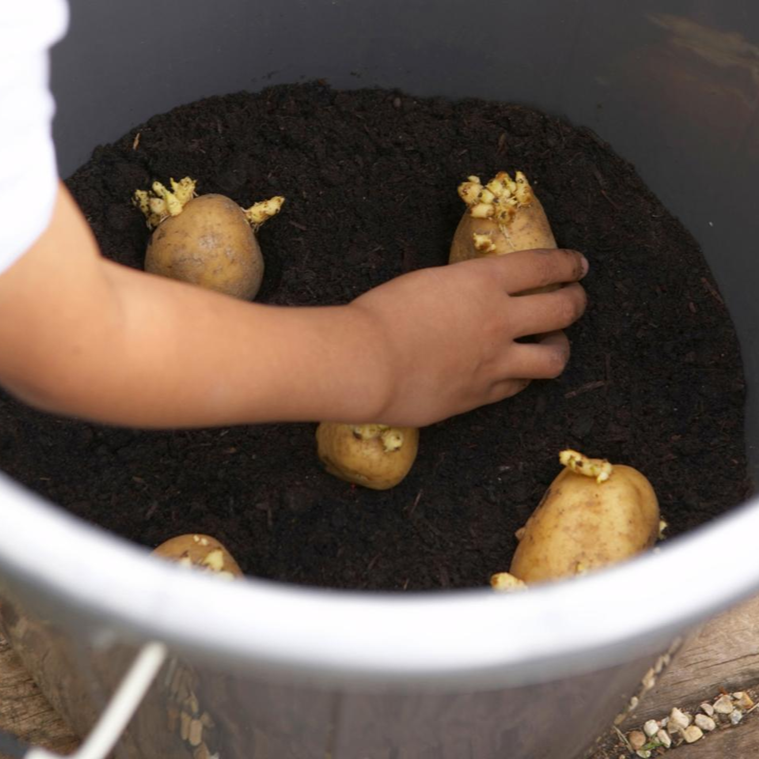
Formally known as chitting; this is the process of encouraging your potato to produce shoots prior to planting. Chitting your potatoes gives them a small head start. Ensuring your tubers are actively growing before they hit the cold, moist, spring ground can prevent them from rotting. This is also especially helpful for early crop potatoes as it can lead to an earlier harvest.
Prepare your seed potatoes a few weeks prior to planting and chit them by storing in a warm, dark place (such as a kitchen cupboard). Take care not to leave them in too warm of a space that may just dry them out.
Allow your sprouts to grow to approximately 2cm in length before planting. This may take 4-6 weeks.
Planting in Garden Beds
Potatoes will grow best in a warm, sunny position. They will not grow and yield in shade or where they have to compete for light and moisture. Shelter from strong winds is also a benefit. Ideally potatoes should be grown in a frost-free location, otherwise frost protection will need to be considered. The size of the potato garden depends on the size of your family and your requirements.
Don’t plant potatoes in the same place each year, and avoid planting them where tomatoes have been planted the previous season, to reduce the risk of spreading disease.
Prepare your soil.
Ensure your soil is free draining and rich in organic matter. Prepare the soil by digging through plenty of compost.
Apply a dressing of lime and leave for a week before planting your seed potatoes.
In clay soils, the potato plot should be raised or built up some 15cm above the surrounding soil to ensure good drainage.
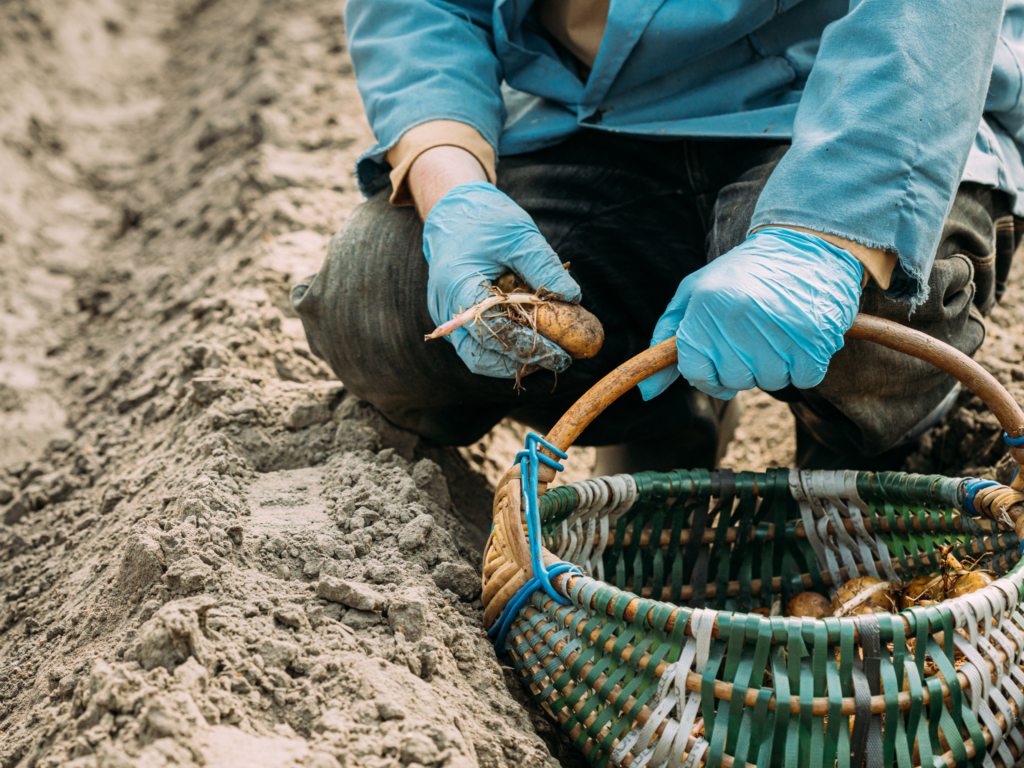
Plant the seed potatoes.
Start by digging a v-shaped trench to plant the potatoes inside.
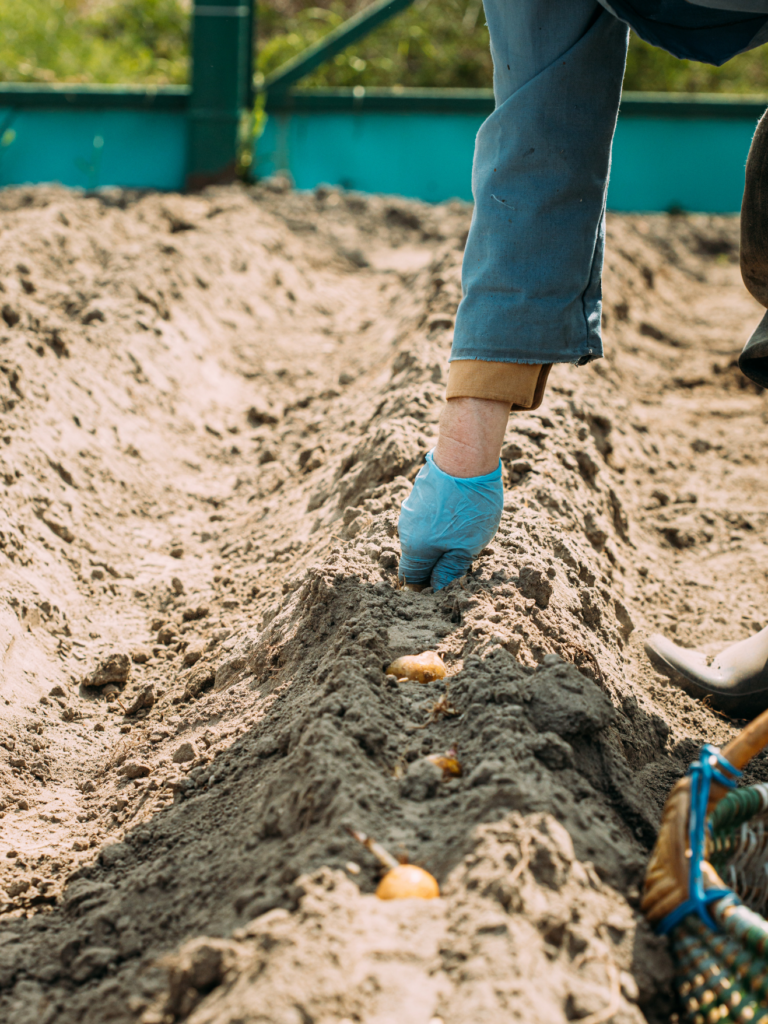
For clay or poorly-drained soils, it helps to instead build a ridge to plant the potatoes atop, allowing water to drain off the sides.
The seed potatoes are planted in a hole about 10cm deep, about 40-50cm apart in rows about 80cm apart.
Lightly cover the tops of the seed potatoes with soil or mulch and wait for the foliage to grow.
Water in well to moisten the soil and encourage roots to set in.
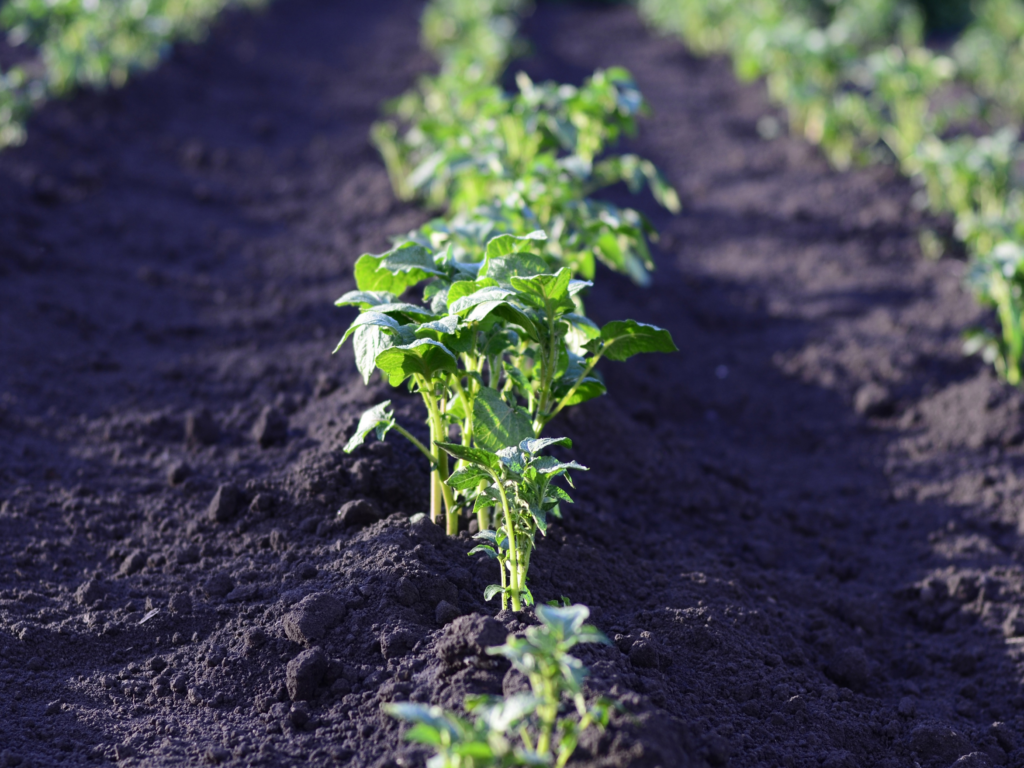
Once the foliage begins to emerge from the soil, you will want to begin mounding.
Plant once seed potatoes have chitted appropriately.
Example of a raised ridge for planting.
Planting in Pots
Growing potatoes in pots & containers can be convenient for a wide number of reasons! Keeps the growing space contained for those with limited growing spaces; allows the ability to move the pot to different locations and protect from bad weather; and even makes it quick and easy to tip out for harvest!
What container should I use? Almost anything can be used from grow bags and bucket tubs to stacks of tyres, plus believe or not, it is not unheard of to grow potatoes in cardboard boxes. Just ensure the vessel is large enough and has adequate holes for drainage at the bottom. Aim for a planter sized approximately 35-40cm in diameter and height, or larger.
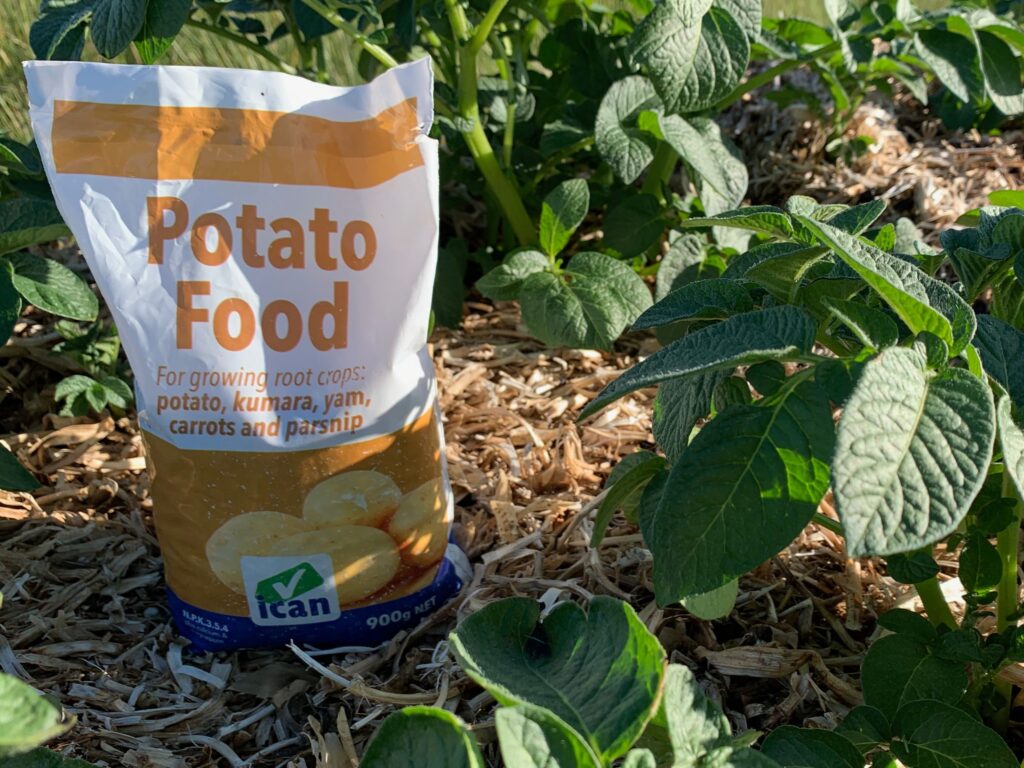
You will want to continue with regular applications of fertiliser when mounding to ensure the soil stays rich and you receive a good harvest.
For potatoes grown in pots and smaller spaces, instead use a container-specific fertiliser to prevent burning from over-feeding. ‘Ican Slow Food‘ and ‘Yates Dynamic Lifter‘ are excellent choices.
Mounding Up
Potatoes are tubers which form off the under-ground stem of the plant. (They are stem tubers not root tubers). Hence to produce a good crop it is necessary to ensure there is a significant amount of stem covered with soil.
Every time you see foliage tops push through the soil, mound up an additional 15cm of soil on top. The tubers will continue to grow from each section of stem as it is covered with soil.
Mound up with well rotted compost, mulch, fertile soil or a mixed combination of these. Apply an additional application of fertiliser after each mounding.
Watering
Potatoes tolerate reasonably dry conditions, but in very dry weather they may require regular watering.
A soaker hose is the most effective way to water potatoes as these gently release a steady supply of moisture directly to the root zone. Especially when the hose is laid underneath the soil surface.
Due to the mounded structure of potato beds, sprinkler systems tend to produce a lot of run off which doesn’t easily penetrate down towards the roots. If watering by hand or with a hose, make sure to water deeply.
Harvesting & Storing
Early varieties are ready to harvest when the flowers are fully opened, approximately three months after planting, (except for Nadine, Rocket and Swift which may have few or no flowers on them). Earlier varieties are generally unsuitable for storing and should be used once harvested.
Main and late cropping varieties are ready when the foliage dies off. If you can easily rub off the potato’s skin with your thumb, the variety of potato is not good for storing, so eat these first.
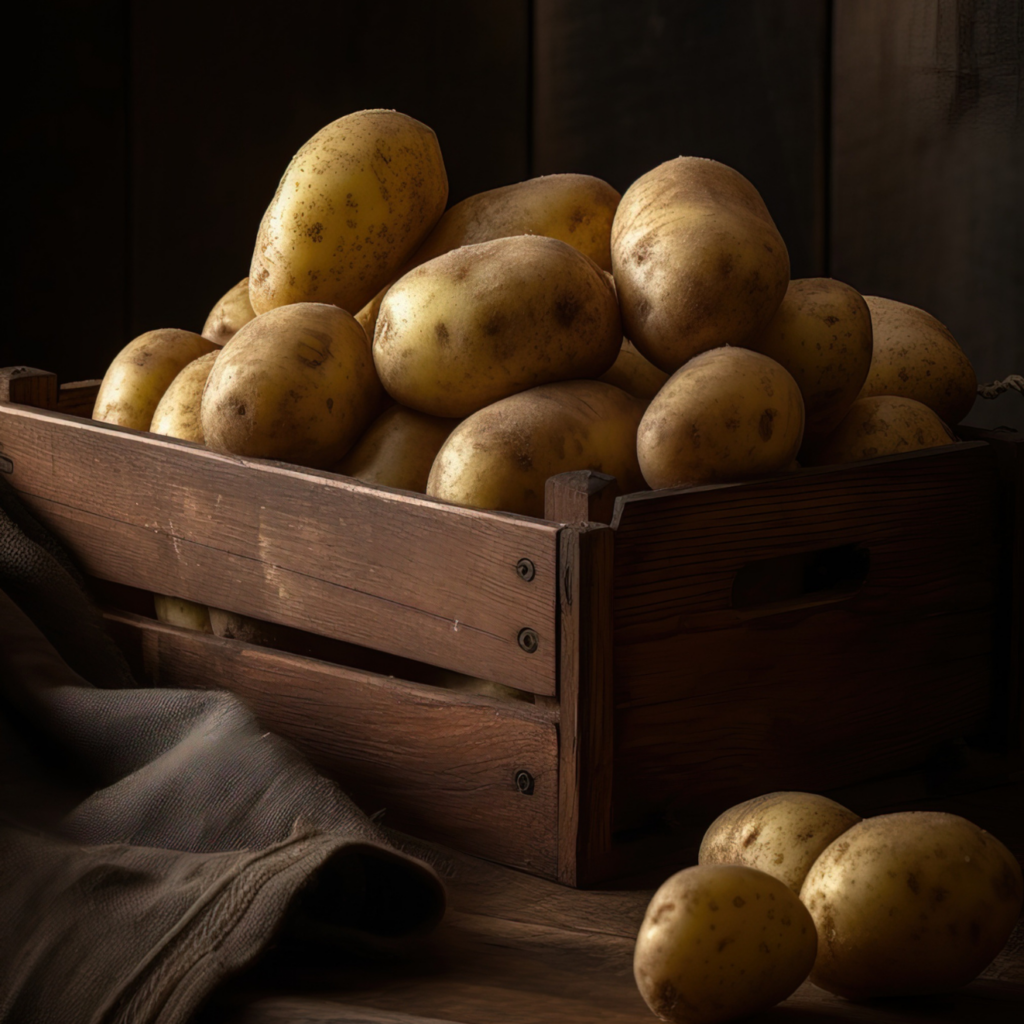
As soon as potatoes have been dug, dry thoroughly and store in a cool, dark, well ventilated position. Carefully stored potatoes should last for up to six months.
Pests & Diseases
The major disease of potatoes is Potato Psyllid. This unseen insect attacks plants infecting them with a bacterial pathogen. The resulting effect is a drastically reduced yield where tubers can reduce in size to marbles. Potato psyllid is easily controlled with regular spraying using bee-friendly, ‘Yates Mavrik‘ or ‘Yates Success Ultra‘ from mid November at 10-14 day intervals. If harvesting has commenced, use ‘Naturally Neem‘. Read more about Potato Psyllid here.
Another disease of potatoes is late blight. Despite its name, it can occur early or late in the season. It usually attacks in wet, cool conditions. Once infested it will spread rapidly. Initially black blotches appear on the leaves, which spread to total defoliation. Control by spraying at the very first sign of black spots with ‘Grosafe Free Flo Copper‘. Spray thoroughly, including the undersides of leaves.
Nationwide shipping will be paused from Wednesday 8th December until Monday 10th January 2022 but click-&-collect and local delivery will still be available for online orders. All orders placed before 8th December will be shipped as usual. Our physical store at 18 Devon Road, Whanganui will still be open every day, 8.30am to 5pm, except Christmas Day, Boxing Day and New Year's Day.